
INTRODUCTION
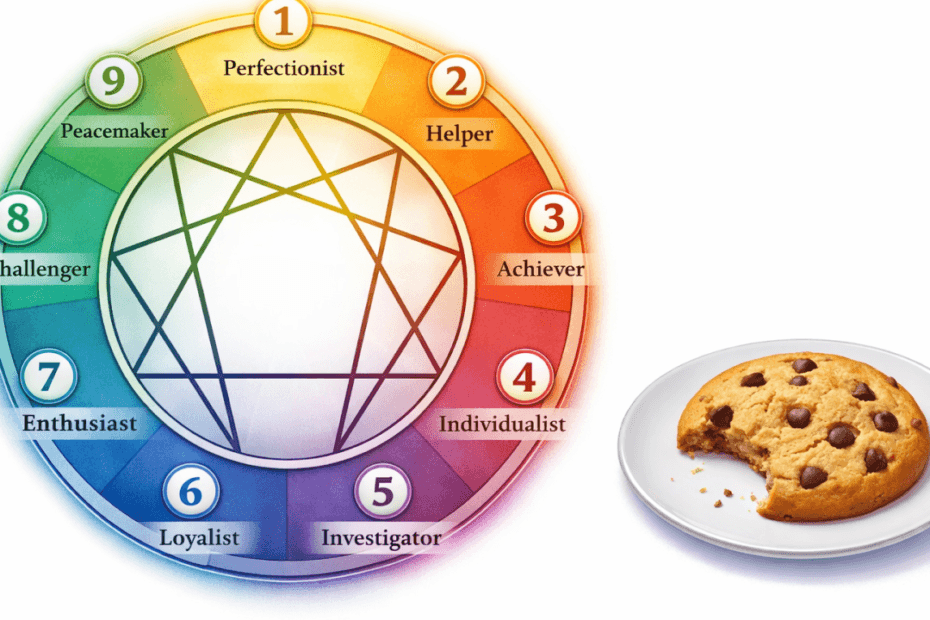
In this first newsletter, I am making an assumption that you have some understanding of the various enneagram types. If you need a primer, have a look at CP Enneagram Academy for a great resource
Our enneagram type influences how we show up in relationships and conversations. When we aren’t self-aware, we are what I call ‘in the grip of our type’. Our type is running the show. Sometimes that is helpful and most of the time, it gets in the way.
Added to that, the other person is in their own version of their type. Together, we can create difficulties because we are each in the grip and so we are reacting. “You aren’t seeing my point of view. I don’t like you because you’re different. I’m going to avoid this and hope it goes away” etc.
Alternatively, we can start to observe ourselves more and loosen the grip and respond more consciously. This requires humility, courage, honesty, vulnerability, and compassion. It is hard work. And my bias is – it is worth it.
This first enneabite is a lengthier ‘chewier’ newsletter filled with observations and mini coaching suggestions. The newsletters will vary in length and focus. Please bear with me as I enter this new world at this old age ☺️, and in the spirit of walking my talk, it’s never too late to learn and grow.
I’m starting in a somewhat linear way- initiating a conversation. The first section ‘notice’ lists a few default ways a type may show up. There are only 3 for each one so there may only be one that rings true. Great! Step one.
“Stretch” offers three suggestions for loosening the grip. As a coach I strongly encourage you to try one of these repeatedly and then check in with yourself (or ask the other person) how this new effort went. We need to create a positive feedback loop to keep with this hard work so bring a kind heart to your efforts.
“If you are in a conversation” offers three suggestions to guide you when you are initiating a conversation with that particular type. It leverages the familiar of that type and invites you to stretch beyond your own type.
I’ve unofficially (but maybe now officially?) branded myself compassionate sandpaper. My wish is that these ‘bites’ are received with the care that guided them while gently feeling uncomfortable too. Thank you for giving this a whirl.

If you are a type 8
Notice
- If your words emphasize action and moving quickly
- If you step in when there is even a little bit of silence
- If you’ve already formed opinions
Stretch
- Take a look at the person(s) in front of you and notice facial expressions- take them in
- Ask preliminary questions- “how was your weekend”, “how are you doing with this project”
- Take some breaths during silences and let someone else step in
If you are initiating a conversation with a type 8
Consider
- Get to the point quickly
- Focus on things that are accomplished and time lines for next things
- Be direct

If you are a type 9
Notice
- If you are waiting for the other to start
- If you are unsure what to say
- If you are trying to build consensus
Stretch
- Come prepared with what you want to say
- Include actionable words (not just relational words)- what am I, are we going to do
- Use “I” as much as possible
If you are initiating a conversation with a type 9
Consider
- Actively asking for their opinion
- Give space and time for them to check in with themselves
- Include some initial light relational topics where you share something of yourself

If you are a type 1
Notice
- If you want to get to the business right away
- If you are checking if everyone has done what they said they would
- If you are conveying a more serious expression
Stretch
- Smile more and bring levity
- Check in with the other(s) in a light relational way
- If you aren’t in charge of the meeting, allow yourself to relax to the other’s approach
If you are initiating a conversation with a type 1
Consider
- Coming in prepared with what you were responsible for
- Inviting them to share something personal of themselves that isn’t about work
- Speak clearly conveying you are prepared for the meeting

If you are type 2
Notice
- If you are focused on others’ moods and are calibrating accordingly
- If you are aware of what you need/want in the conversation
- How much the relationship/person impacts your emotions and thus your presence
Stretch
- Hold back on checking how the other is
- Identify within yourself as to what you need/want before coming into the conversation
- Ask for one thing that you need from the person
If you are initiating a conversation with a type 2
Consider
- Ask how they really are and listen
- Keep space for relationship-building conversation
- Ask how you can help them

If you are type 3
Notice
- If your mind is focused on the things that have to be done/accomplished
- If you start the conversation with action in mind
- If you are calibrating to what you think the other person needs/wants
Stretch
- Begin without a device or agenda focusing solely on the person in front of you
- Keep your mind on the conversation here and now
- Appreciate and convey the appreciation to the other person
If you are initiating a conversation with a type 3
Consider
- Getting clear on the expectations of the conversation
- Using short action-oriented statements
- Asking questions to gain clarity for context

If you are type 4
Notice
- If you focused on your reasons to be in the conversation
- If you are comparing yourself to the other person(s)
- If you amplifying your perspective
Stretch
- Solicit the opinions of others with thoughtful consideration
- Be clear on the ‘objective’ reasons for the conversation
- Consider what positive things may come from the conversation
If you are initiating a conversation with a type 4
Consider
- Check in with them about how they are really doing and allow them to describe
- Be curious about their unique and creative ideas
- Be willing to go deeper and slower

If you are type 5
Notice
- If you are avoiding the conversation in favour of written
- If you come into it with a lot of detail and thoroughness
- If you jump right into the information, data and details
Stretch
- Share one personal detail such as what you did over the weekend
- Use action-oriented words such as ‘accomplish’, ‘do’, ‘complete’
- Identify the purpose of the conversation- what you have done and what you need
If you are initiating a conversation with a type 5
Consider
- Initially starting the conversation in written form
- Clearly identify what you want to discuss in the conversation
- Setting a clear boundary for the length of the meeting

If you are type 6
Notice
- If you are checking how trustworthy the other person is
- If you are focused mostly on troubleshooting
- If you have prepared/rehearsed what you plan to contribute/say
Stretch
- Grounding yourself in more than your thoughts through breath and body
- Staying curious about the other person’s perspectives so you can more dynamically respond in the conversation
- Appreciating or positively acknowledging where the project is now
If you are initiating a conversation with a type 6
Consider
- Invite them to share the various scenarios they see
- State clearly the objective of the conversation
- Speak in concrete and methodical ways

If you are type 7
Notice
- If you are present to the conversation or thinking about other things
- If you are focusing on the potential and future
- If your goal is to quickly solve something
Stretch
- Ask about the details and where things are right now
- Suggest that the purpose is to check in on how the other person is
- Inquire about challenges that may be going on without a view to solve right then
If you are initiating a conversation with a type 7
Consider
- Bringing ideas that enhance while also have grounding
- Asking to have a brainstorming conversation
- Identifying challenges with potential solutions you want to explore